Section / humanities
Culture in Lijiang
Dongba script, Naxi orchestra music, murals, festivals, and the Mu family's long shadow.
6 entries / humanities and living culture
In this section
06
entries in the ledger
The mountain is the backdrop; this section is the civilisation that settled beneath it. Lijiang has been a Naxi chieftain's seat, a tea-horse road market, and a border town between Tibetan and Chinese worlds. These pages cover what a generic guide leaves out: Dongba pictographs, the old orchestra music, the seven-star cape, the Mu family, Baisha's Ming murals, and the festival year.
Field desk / updated 14 Nov 2026
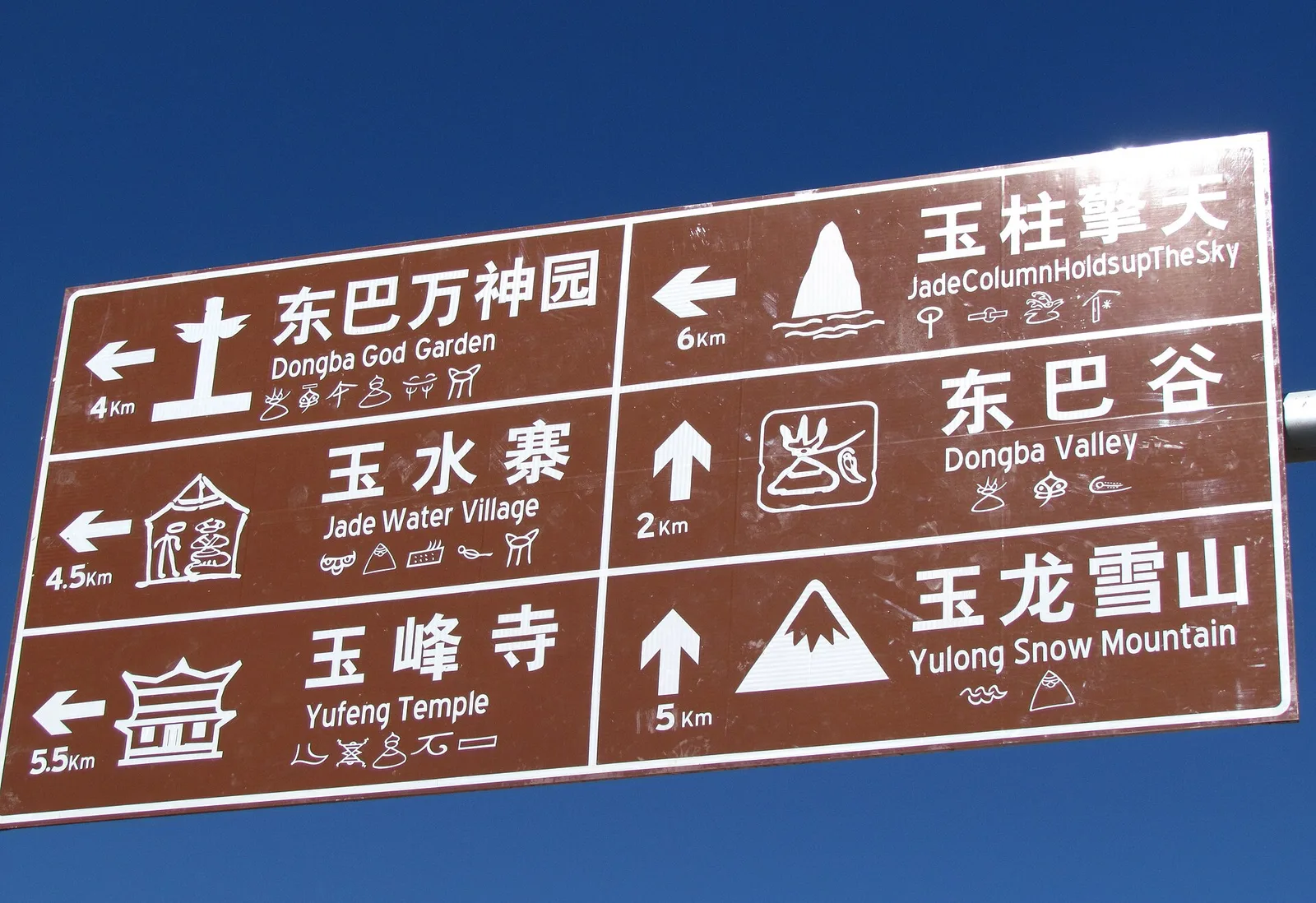
Dongba script
The Naxi ritual writing system: not a daily alphabet, but a memory palace of gods, animals, and directions.
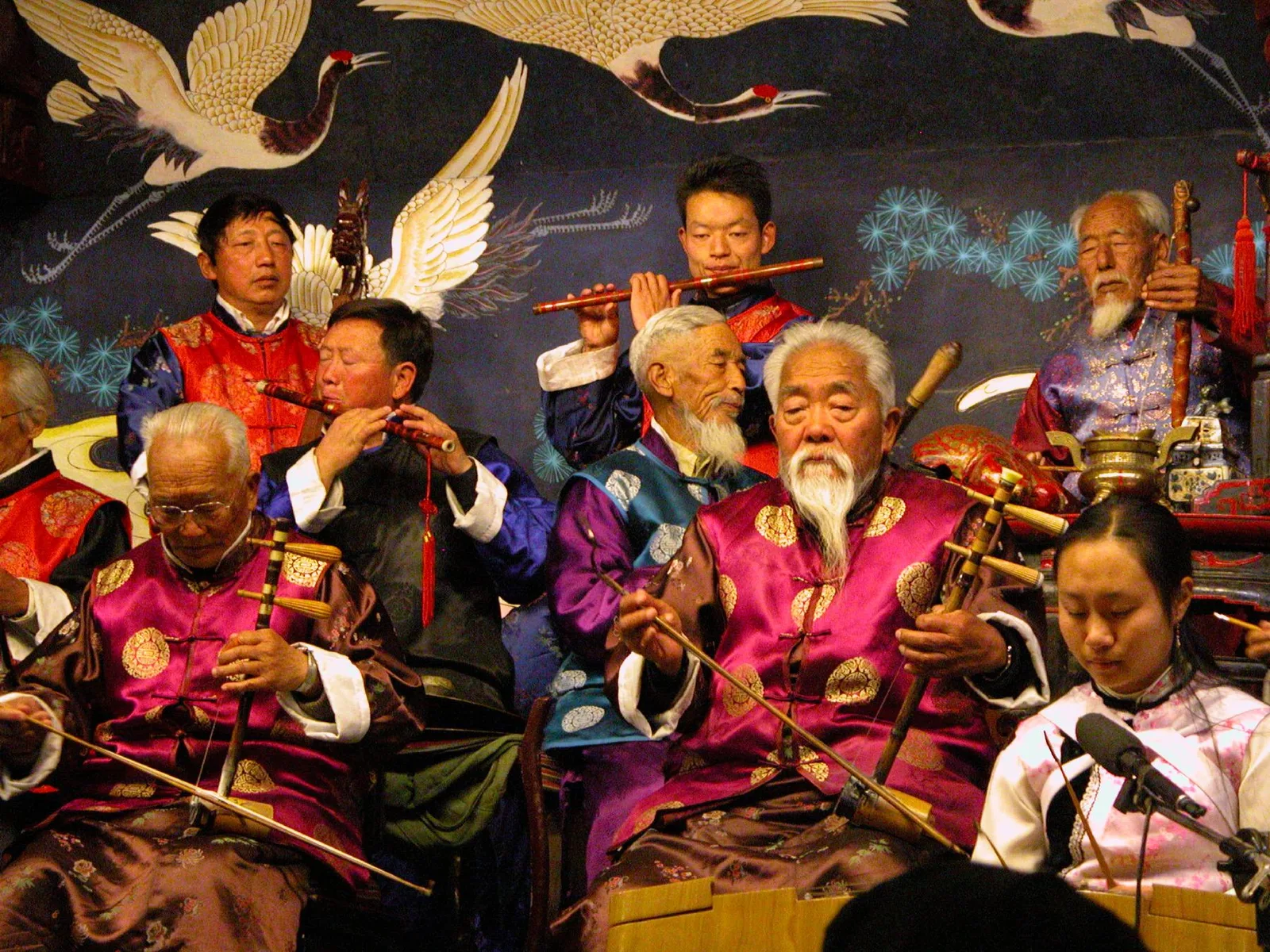
Naxi ancient music
An ensemble tradition that mixes Taoist, Buddhist, and court music, played by old men in the old town.
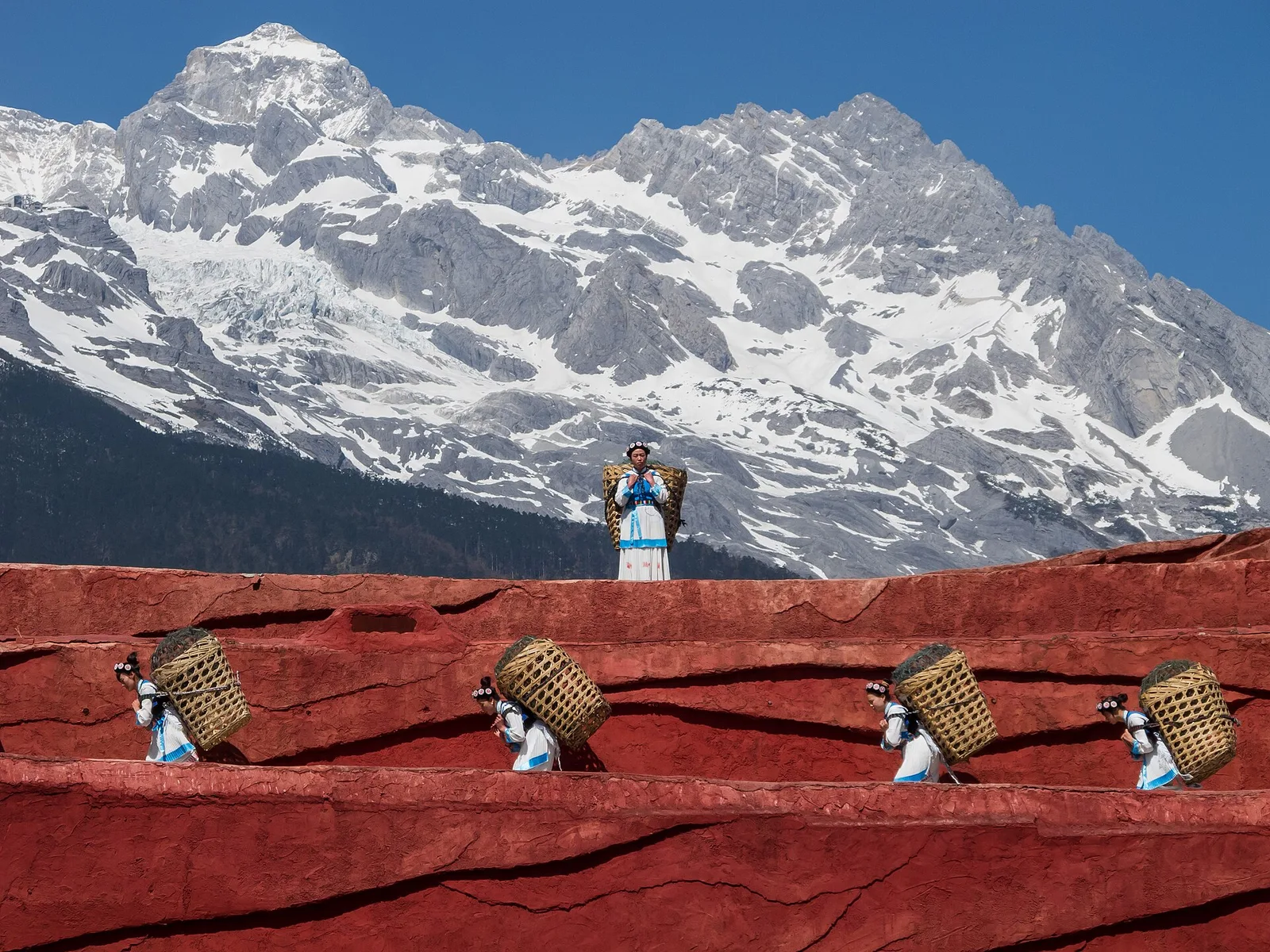
Naxi women and the dress
The seven-star sheepskin cape, the matrilineal Mosuo next door, and what Naxi women's lives actually look like.
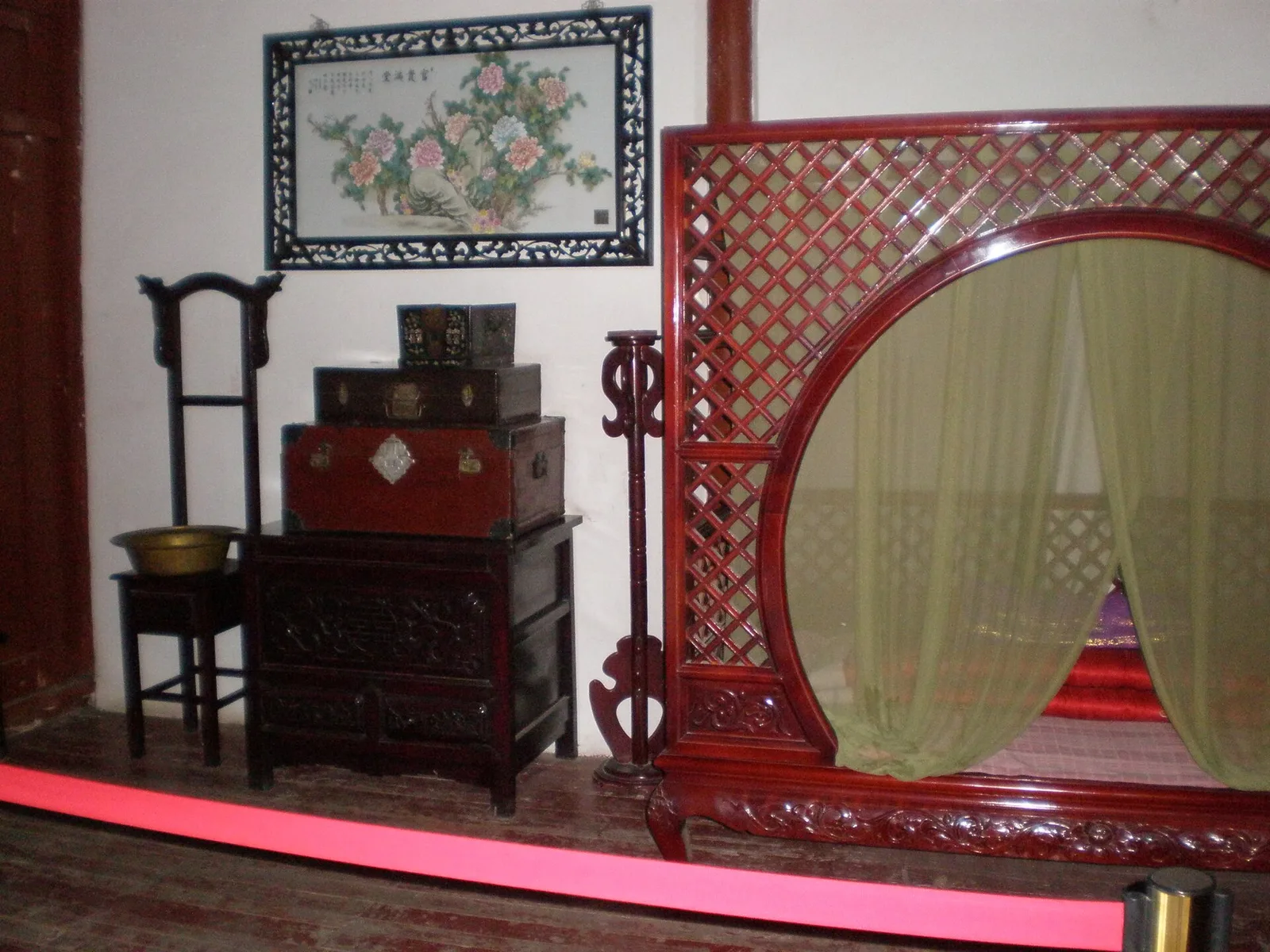
The Mu family
The hereditary chieftains who ruled Lijiang for centuries and left a palace on Lion Hill.
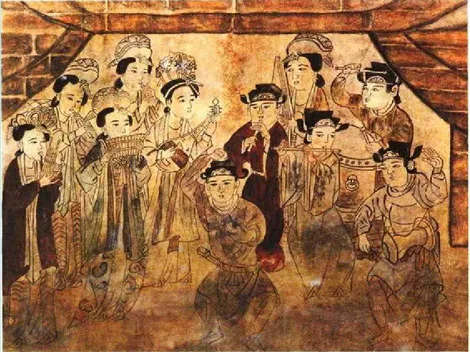
Baisha murals
Faded religious frescoes in a village north of Lijiang, mixing Tibetan, Han, and Naxi iconography.
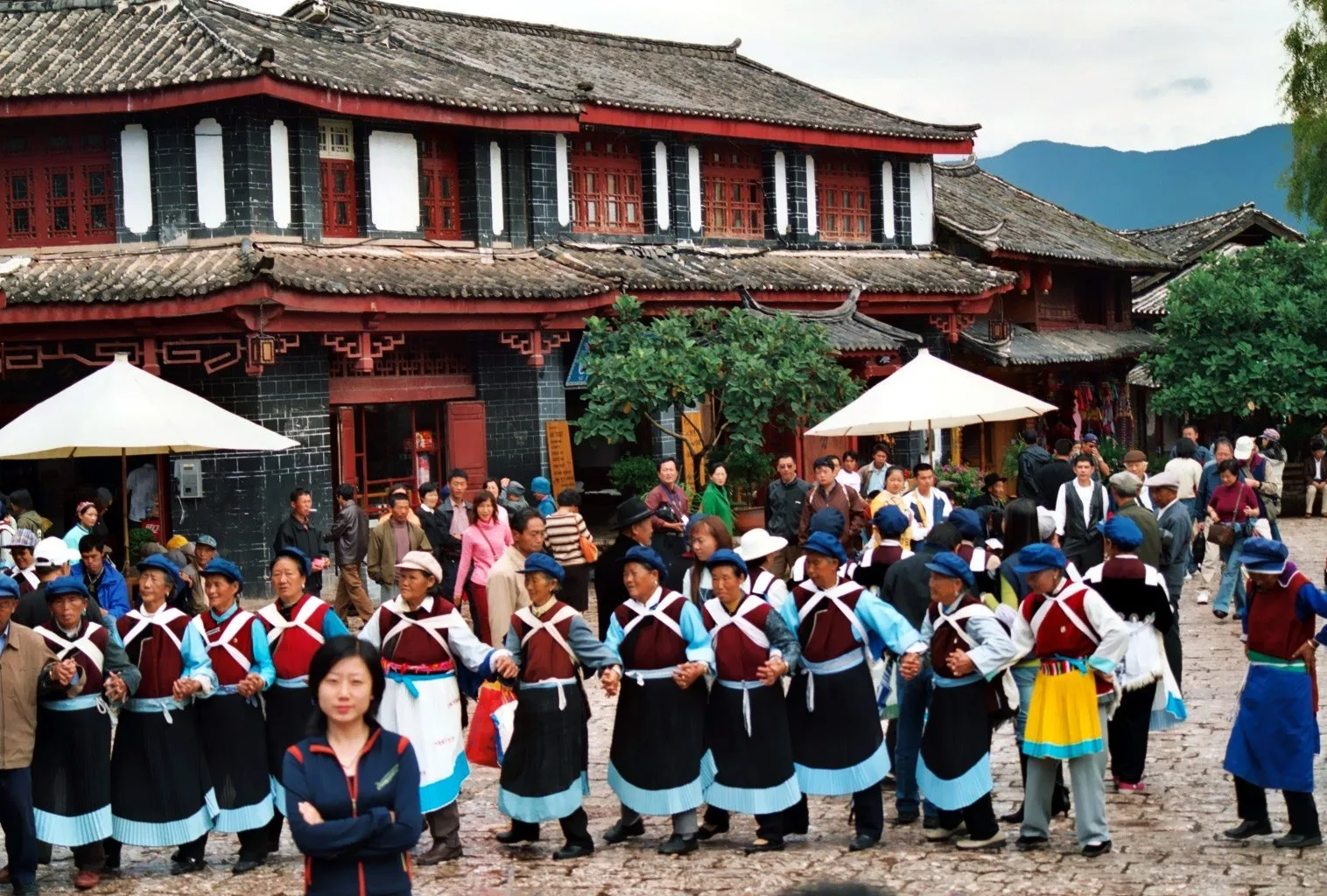
Naxi festivals
New Year, the spring festival, the donkey race, and the rites that still structure the Naxi year.