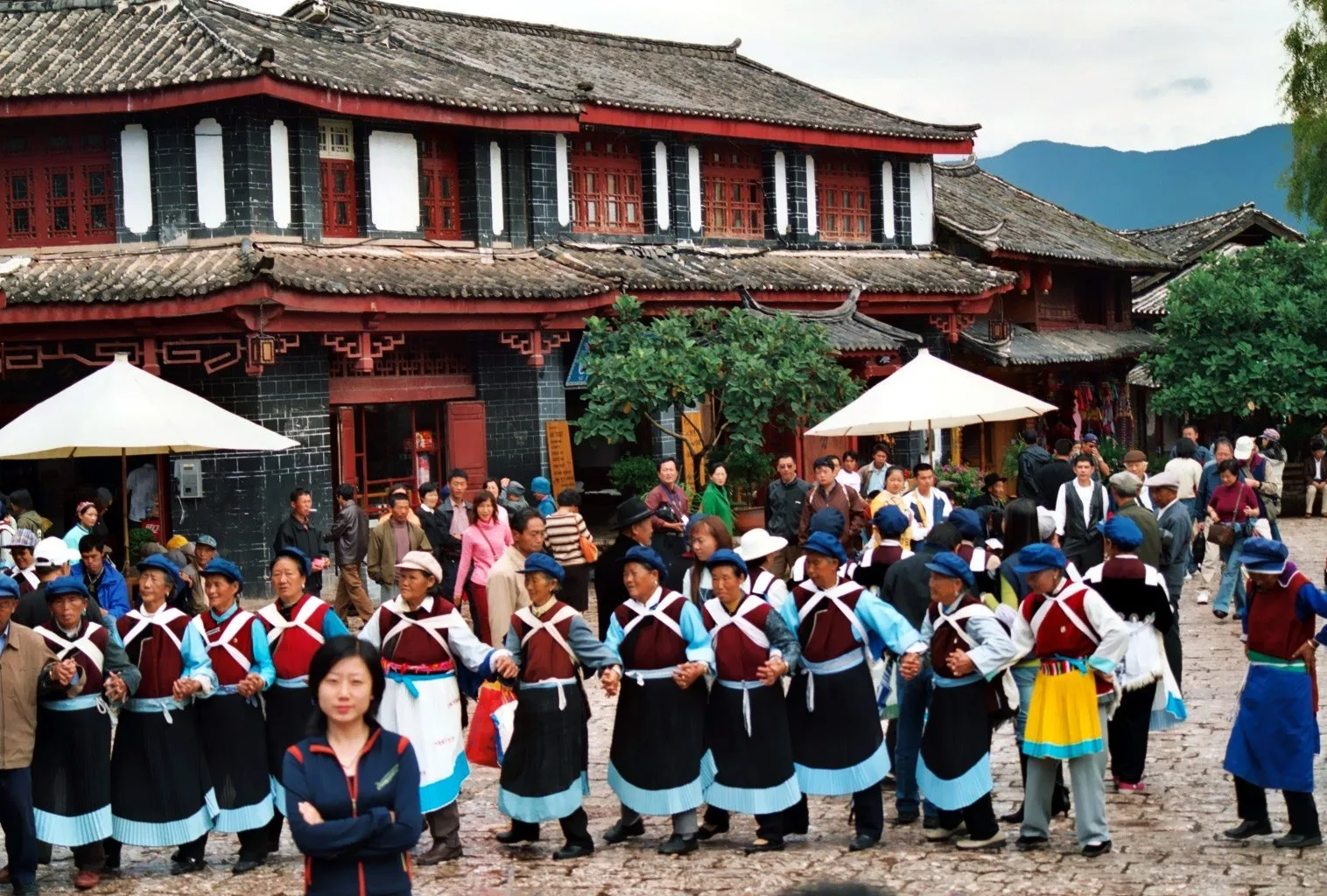
The Naxi festival year follows a mix of lunar, agricultural, and religious calendars. Some festivals are public and tourist-friendly; others are village rituals that outsiders should not treat as performances. Dates shift with the lunar calendar, so always check locally rather than relying on a fixed date.
In short
The biggest public events are around Lunar New Year and the spring temple fairs. The famous donkey race at Baisha is a highlight, but dates vary. Treat village rites with respect and ask before photographing.
Before you book
Prices and schedules change
Reserve the fixed-time items first, then build the rest around the weather. If you are deciding between two versions of the trip, send both.
The ritual year
Naxi festivals combine Lunar New Year, the spring and autumn temple fairs, and rites tied to agriculture and water. The dongba ritual specialists still perform some ceremonies, though the number of practising priests is small. Village festivals often centre on a local temple or a spring.
The Lunar New Year is the most visible public holiday, with markets and family gatherings. Spring temple fairs bring crowds to Baisha and other villages. The summer and autumn have smaller rites, sometimes private.
The Baisha donkey race
The Baisha donkey race is a local festival tradition that has become known to travellers. It involves racing donkeys through the village, with a fair and food stalls around it. The atmosphere is local and chaotic rather than staged.
Dates vary with the lunar calendar and local organisation. Do not book flights around a date you found online; ask your guesthouse or the Baisha tourist office. The Baisha guide has practical details. Arrive early for a place at the edge of the street, and stay for the whole race.
Etiquette
Festivals are not attractions. If you are in a village during a rite, stay at the edge, keep your voice down, and ask before taking photographs. Do not enter a temple during a private ceremony, and do not block the procession.
If you are invited to eat or drink, accept politely. Alcohol may be offered; you can decline. Dress modestly, especially in temples. The local life section explains everyday etiquette.
Festival dates follow the lunar calendar, so the same event can fall three or four weeks apart in different years. Ask at your guesthouse a few days ahead, and keep plans flexible. A village festival that starts late is not waiting for visitors.
- Check dates locally, not online.
- Ask before photographing rituals.
- Stay at the edge of processions.
- Do not enter closed temple halls.
Verdict
Go for the local energy, not a scheduled show; dates are lunar and shift.
Next in the manual
04 linksField desk / direct line
Not sure this fits your trip?
Send the dates, the group, and what you are deciding between. The field desk will tell you what to cut and what to keep.
Independent advice. No bookings, no commissions, no visa service.