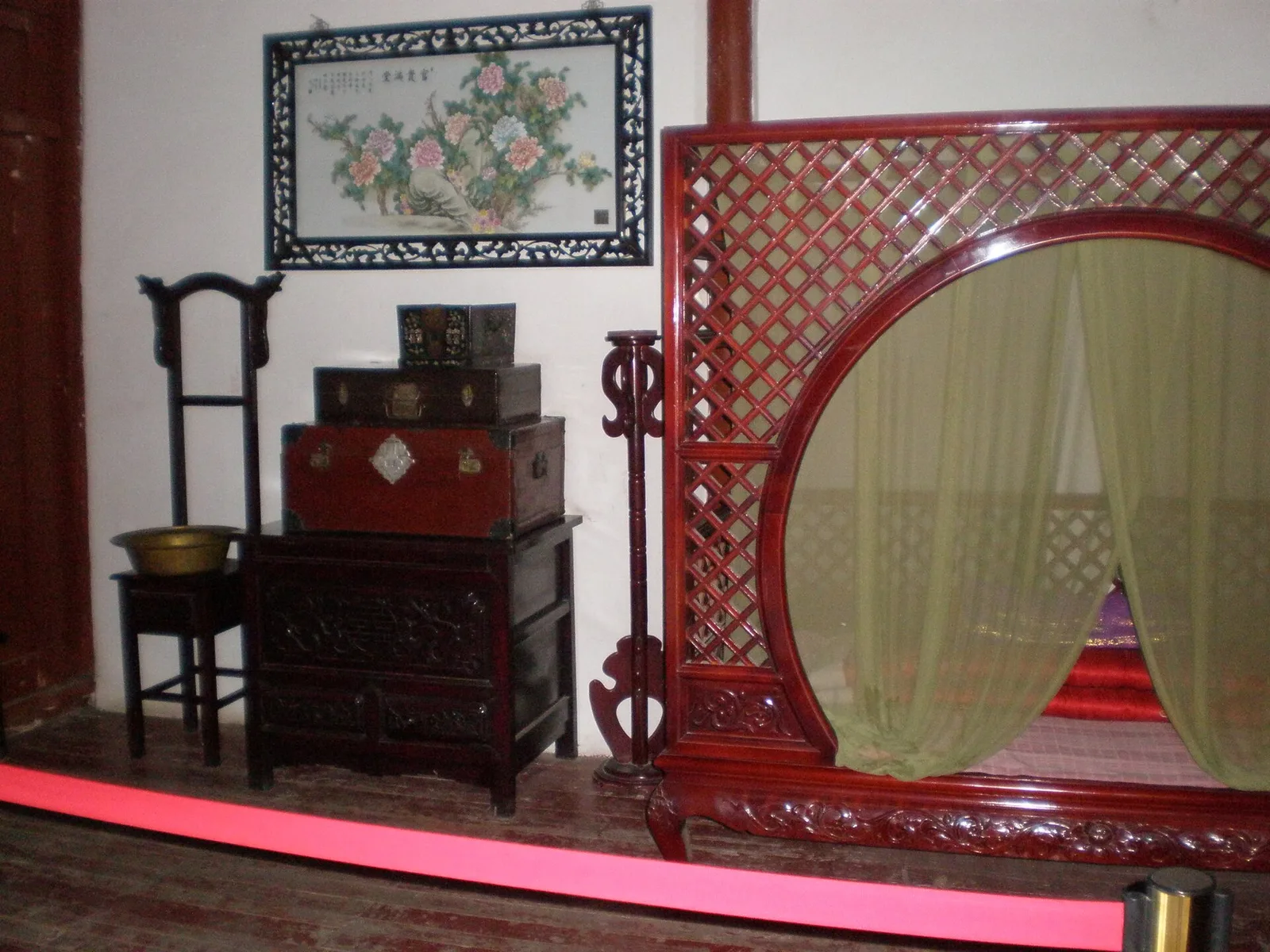
The Mu family were the hereditary Naxi chieftains of Lijiang, ruling from the Yuan dynasty through the Qing. Their palace, now the Mu Palace museum, sits on Lion Hill at the edge of the old town. The family's story is the political history of Lijiang: local autonomy, marriage alliances, trade, and a careful relationship with successive Chinese empires.
In short
The Mu Palace is the main physical legacy, but the family's influence is visible across the old town's layout, temples, and trade routes. Allow an hour for the palace and read the panels.
Before you book
Prices and schedules change
Reserve the fixed-time items first, then build the rest around the weather. If you are deciding between two versions of the trip, send both.
Who they were
The Mu family were local rulers recognised by the Yuan, Ming, and Qing empires as hereditary chieftains. They held authority over the Lijiang basin and surrounding areas, collected taxes, raised troops, and mediated between the central state and local Naxi society. Their power was real but always negotiated.
The surname Mu was bestowed by the Ming court, according to the usual account, and the family adopted Chinese-style architecture, genealogy, and court ritual while maintaining Naxi alliances. They were brokers of culture as much as rulers.
The palace
Mu Palace, or Mufu, was the family's residence and administrative centre. The complex climbs Lion Hill in a series of courtyards, with halls, gardens, and a view over the old town's roofs. Much of the current structure is reconstructed, but the layout and setting are original.
The museum panels explain the family's role in trade, the tea horse road, and local governance. It is a useful complement to the Lion Hill walk and the old town's layout. Entry is included in some old town tickets; check current rules.
Their legacy
The Mu family's patronage shaped Lijiang's temples, schools, and public works. They also managed the delicate balance between Tibetan, Chinese, and Naxi interests in a border region. Their decline came with the end of the chieftain system and the twentieth century's political changes.
Today the family name survives in the palace, in local histories, and in the old town's self-presentation. It is a reminder that Lijiang was never an isolated village; it was a governed, connected place.
Look for the family's footprint beyond the palace: temple inscriptions, the layout of the old town, and the trade routes that crossed the basin. The Mu story is the reason Lijiang looks like a planned town rather than an accidental cluster of houses.
- Visit the palace before walking Lion Hill.
- Read the museum panels for context.
- Check whether entry is included in your ticket.
- The palace is uphill; take water.
Verdict
The palace is the old town's political backstory; an hour makes the streets legible.
Next in the manual
04 linksField desk / direct line
Not sure this fits your trip?
Send the dates, the group, and what you are deciding between. The field desk will tell you what to cut and what to keep.
Independent advice. No bookings, no commissions, no visa service.