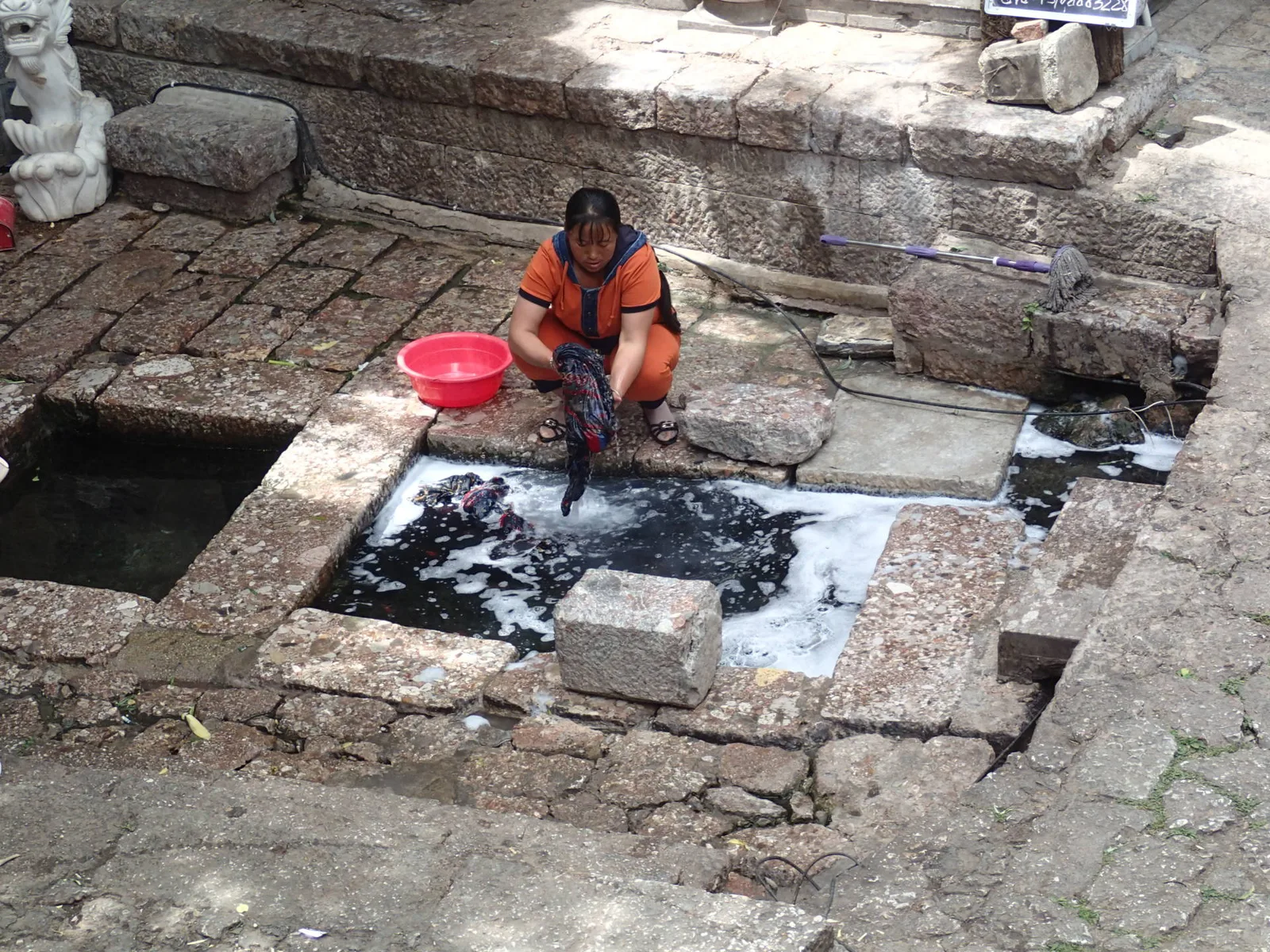
Lijiang is not a museum. Naxi families live in the old towns and the villages around the basin, run shops, farm fields, raise children, and keep courtyards. The tourist economy has changed the balance, but everyday life continues in the lanes behind the main streets.
In short
Look for courtyards, door gods, drying food, and small workshops. Be respectful: homes are homes. The villages around Baisha and Shuhe show a quieter version of the same culture.
Before you book
Prices and schedules change
Reserve the fixed-time items first, then build the rest around the weather. If you are deciding between two versions of the trip, send both.
The courtyard house
Traditional Naxi houses are built around a central courtyard, with wooden frames, mud-brick walls, and carved doors and windows. The courtyard is the working heart of the house: cooking, drying grain, washing, and socialising. The main hall faces the entrance, and the layout often follows feng shui principles.
Many old town houses have been converted into guesthouses or shops, but families still live behind them. If you stay in a courtyard guesthouse, you are sleeping in a form of the local house, though often with modern plumbing and heating.
Work and family
Naxi families in the villages farm wheat, corn, vegetables, and fruit. In the old towns, they run shops, restaurants, guesthouses, and transport. Older women often keep traditional dress; younger people are more likely to wear ordinary clothes and speak Mandarin.
Family life is patrilineal, with strong ties to the village. Festivals, funerals, and weddings draw people back. Tourism provides income but also pushes housing costs and changes the old towns' social mix.
Work is often split between generations. Older relatives keep the courtyard, the fields, and the market stall; younger ones take tourism jobs, drive for ride-hailing apps, or work in Lijiang's new town. In harvest season, the same family may be short-staffed at the shop because everyone is needed in the fields.
How to be a good guest
Do not wander into courtyards or photograph open doors without permission. Buy from local shops rather than only chain stores. Learn a few words of Mandarin, and be patient with older vendors. If you are invited for tea, accept. Small courtesies matter more than tips. A smile and a little patience open more doors than a guidebook.
The Naxi women guide explains the dress and its meaning. For village life, visit Baisha or Shuhe on a weekday.
- Ask before entering a courtyard.
- Buy from local shops.
- Do not photograph through open doors.
- Weekday mornings are quietest.
Verdict
Slow down in the side lanes; everyday life is the old town's real texture.
Next in the manual
04 linksField desk / direct line
Not sure this fits your trip?
Send the dates, the group, and what you are deciding between. The field desk will tell you what to cut and what to keep.
Independent advice. No bookings, no commissions, no visa service.