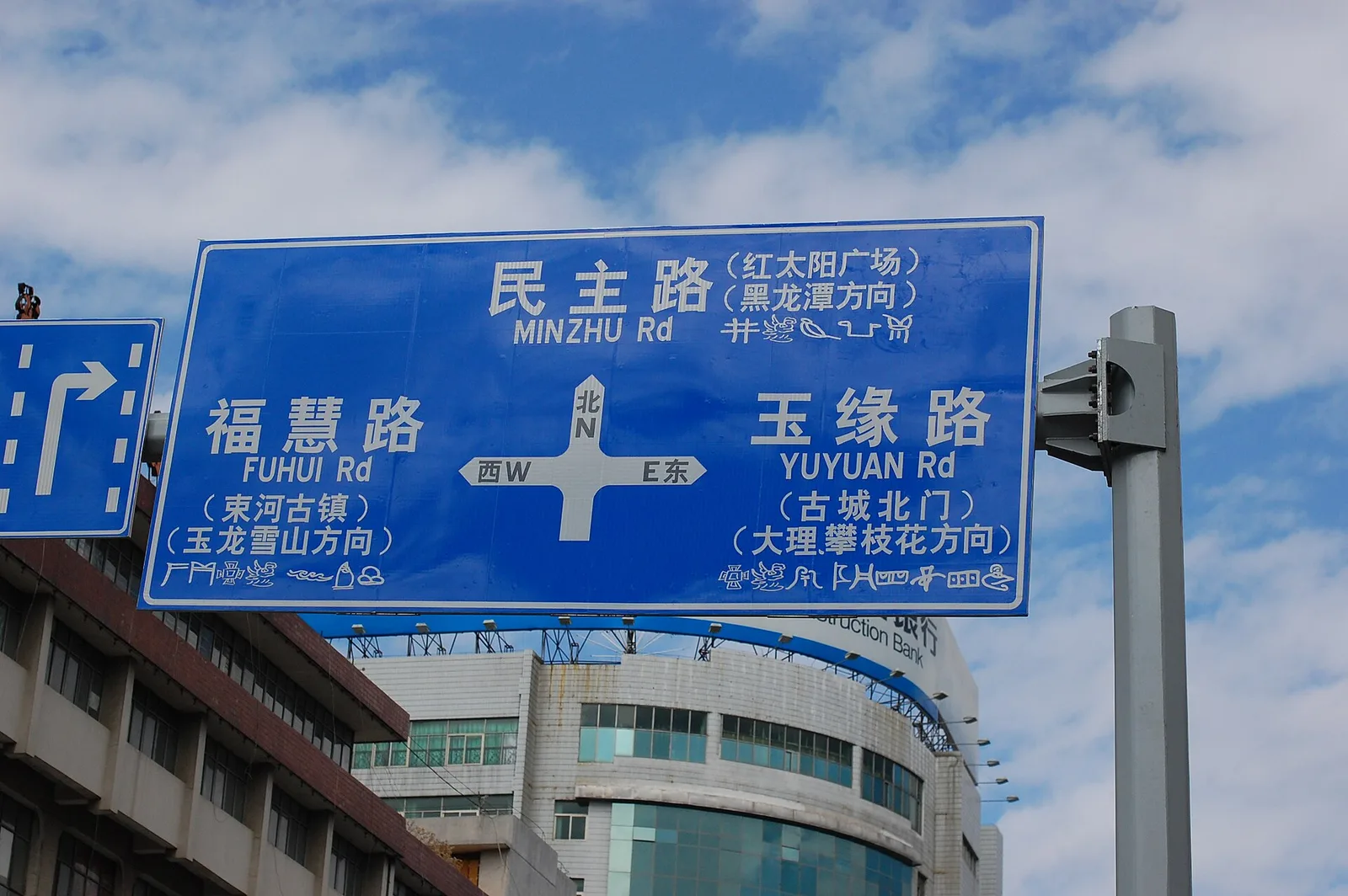
English is limited in Lijiang outside hotels, upscale restaurants, and tour agencies. Mandarin is the lingua franca, and the local Naxi language is still spoken by older residents, though not often written in daily life. A few phrases and a translation app will make the trip smoother and more interesting.
In short
Learn basic Mandarin greetings and food words, keep a translation app offline, and do not expect English in village shops or taxis. Naxi is a bonus, not a requirement.
How much English you will find
Hotel and guesthouse staff usually speak some English, especially in Dayan and Shuhe. Restaurants in tourist areas often have picture menus or English translations, sometimes comically bad. Taxi drivers, market vendors, and village shops generally do not.
Do not assume that a younger person speaks English; it varies. Speak slowly, use simple words, and have key addresses written in Chinese. A translation app with offline Chinese is the single most useful tool.
Useful Mandarin
Greetings and basics go a long way: nǐ hǎo (hello), xièxie (thank you), duìbuqǐ (sorry), duōshao qián (how much), bùyào (I don't want it), and zhè ge (this one). For food, 'bù là' means not spicy, and 'sùshí' means vegetarian, though broth may still contain meat.
Numbers are worth learning for prices and platforms. Pointing at a menu item or using a translation app is perfectly acceptable. In markets, a calculator or phone screen is a common way to negotiate.
Naxi and Dongba
Naxi is a Tibeto-Burman language spoken by the Naxi people, with several dialects. You will hear it among older residents, especially in villages, but Mandarin is the working language of shops and transport. Learning a few Naxi greetings is appreciated but not necessary.
Dongba script is the ritual pictographic writing system, not a daily script. It appears on signs, souvenirs, and in museums. The Dongba script guide explains its history. Do not confuse it with the Naxi language itself.
Verdict
A translation app and ten Mandarin phrases will carry you; Naxi is a window, not a barrier.
Next in the manual
04 linksField desk / direct line
Not sure this fits your trip?
Send the dates, the group, and what you are deciding between. The field desk will tell you what to cut and what to keep.
Independent advice. No bookings, no commissions, no visa service.