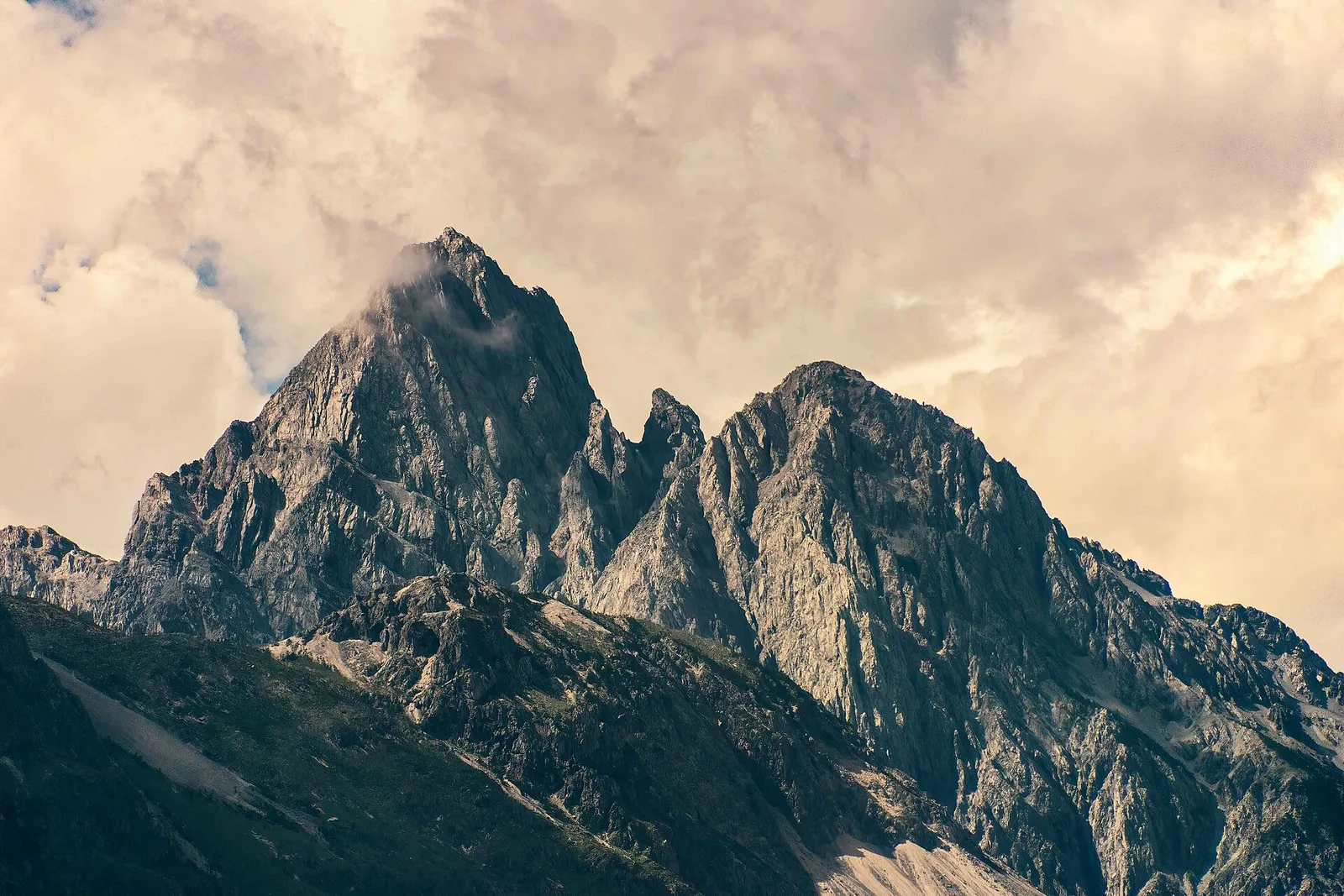
Lijiang is a photographic destination with a timing problem. The old town is beautiful at dawn and unbearable by mid-morning; Jade Dragon is often clear in the early morning and clouded by afternoon; the best village light comes when the tour buses have gone. A good photographic trip here is mostly a scheduling exercise.
In short
Shoot the old towns before 08:00, keep one morning free for the mountain, and use Baisha and Shuhe for people and courtyards. Do not expect the snow peak to appear on demand.
The old towns at dawn
Dayan is at its best between first light and about 08:00, before the shops open and the tour groups arrive. The lanes are empty, the stone is wet, and the rooftops catch the first sun. The best viewpoints are the paid rooftop cafés near the centre; buy a coffee and shoot before the crowd.
Shuhe is quieter throughout the day and better for courtyards, canals, and portraits. Baisha has the best village scenes and the murals, but the light is harsher by midday. Plan a loop that puts you in Dayan at dawn and Baisha in the late afternoon.
Jade Dragon and the weather
The snow peak is visible from the basin on clear days, most often in the morning during the dry season. Cloud can hide it for days. If the mountain is the reason for the trip, allow at least three mornings and check the forecast each evening.
The best classic view is from the Black Dragon Pool park, where the pavilion and bridge frame the peak. The pool is a short walk from Dayan and worth visiting at opening time. Baisha's fields give a wider, quieter composition.
People and permission
Ask before photographing people, especially older Naxi women in traditional dress and anyone working. A smile and a gesture toward the camera is usually enough; a refusal is common and should be respected. Do not pay for posed shots in the old town unless you have agreed the price first.
Some temples and museums prohibit photography or flash. Look for signs and follow them. Tripods are usually fine outdoors but can be restricted in narrow lanes and at viewpoints; be prepared to fold up and move on.
Gear and rules
Bring a wide lens for lanes and courtyards, a short telephoto for rooftops and people, and a polariser for the mountain. A light tripod is useful at dawn but not essential. Batteries drain faster in the cold at altitude, so carry spares inside your jacket.
Drone rules in China are strict and change. Do not assume you can fly in scenic areas, near the old towns, or around the mountain. Check locally and register if required. The penalties are not worth the shot.
Verdict
A good photographic base if you accept the schedule: dawn starts, afternoon rests, and a flexible mountain morning.
Next in the manual
03 linksField desk / direct line
Not sure this fits your trip?
Send the dates, the group, and what you are deciding between. The field desk will tell you what to cut and what to keep.
Independent advice. No bookings, no commissions, no visa service.