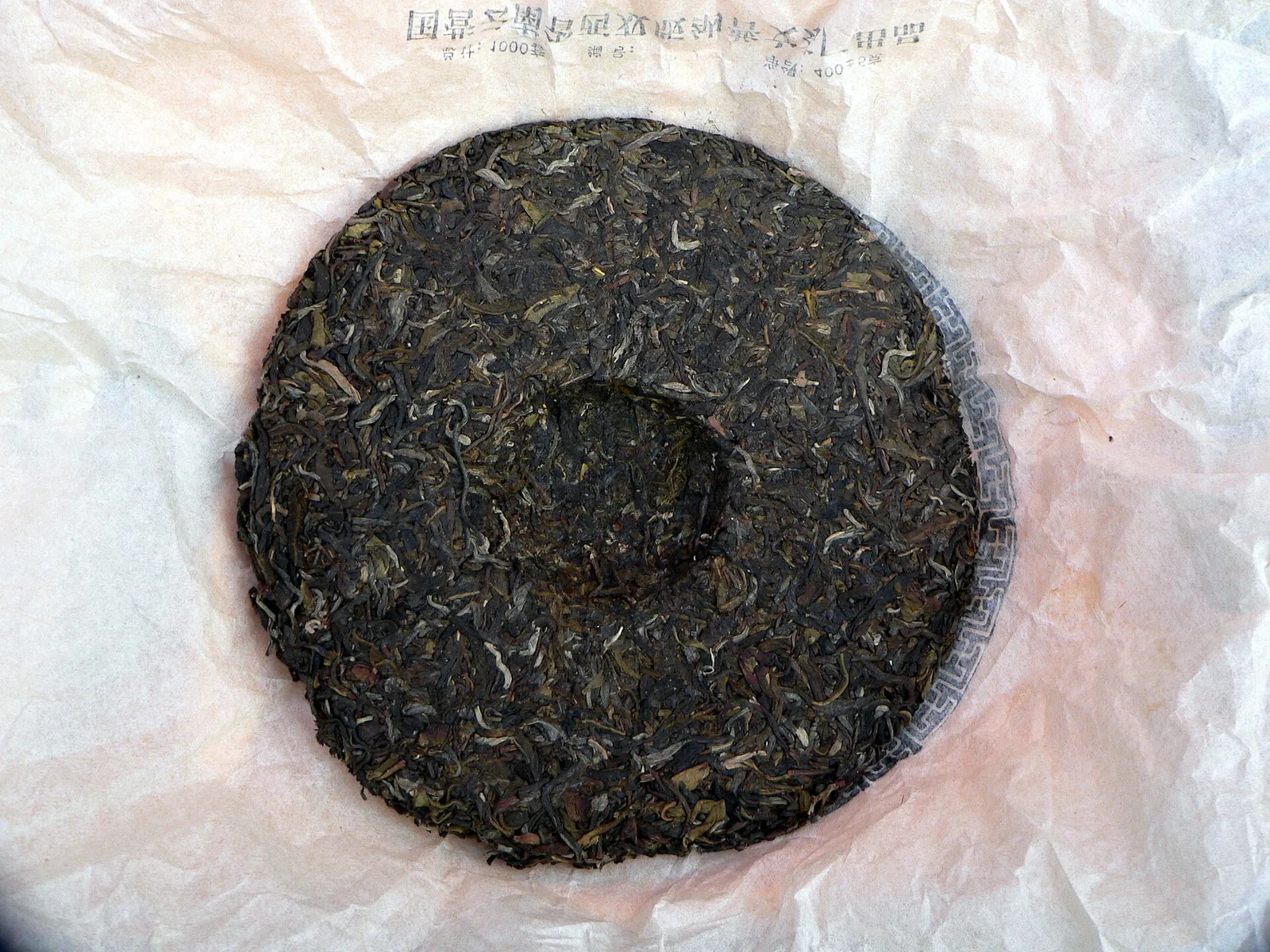
Lijiang sits on the old tea road, and Pu'er is the region's most famous export. But the old town is full of shops selling 'ancient tree' cakes with confident stories and no provenance. A proper tasting, with someone who will brew several teas side by side, is the difference between buying a memory and buying tea you actually like.
In short
Book a seated tasting rather than a shop browse. One to two hours and ¥50 to ¥150 is normal; buy only after comparing a raw and a ripe tea, and never believe a vintage claim without evidence.
Before you book
Prices and schedules change
Reserve the fixed-time items first, then build the rest around the weather. If you are deciding between two versions of the trip, send both.
Why tea belongs in a Lijiang trip
The tea horse road ran through this region, carrying Pu'er from the forests of southern Yunnan toward Tibet and beyond. Lijiang was a caravan town, and tea was one of the goods that paid for the courtyards you are walking through. The history is not decorative: it explains the town's layout, its merchant houses, and its relationship with the mountains.
Pu'er is also a useful antidote to the old town's sugary drink culture. A tasting slows you down, gives you something to do in the late afternoon, and teaches you a skill you can take home.
What a tasting covers
A good host will brew at least two teas: a raw (sheng) Pu'er and a ripe (shou) Pu'er, or teas from different years and mountains. You will learn to read the leaf, smell the empty cup, and notice how the flavour changes across infusions. The point is not to memorise vintages; it is to find out what you like.
Raw Pu'er is bitter, floral, and energetic when young, and settles with age. Ripe Pu'er is dark, earthy, and smooth, with a wet-storage character that some people love and others do not. A tasting should include both, plus a clearly brewed comparison so you can tell the difference.
Where to go
Look for a tea house with a seated tasting room, a water kettle on the table, and a host who asks what you already drink. Avoid shops where the first move is a fixed-price cake and a story about an old tree. The best experiences are often upstairs, away from the street, with a small group and no rush.
Ask whether the price is per person or per pot, and whether it is deducted from a purchase. A tasting fee is normal; a hard sell is not. If you feel pressured, finish the cup and leave.
Buying tea without regret
Buy the tea you tasted, not the tea in the story. Ask for the producer, the year, the mountain, and the weight. A standard cake is 357 grams. If the seller cannot answer basic questions, treat the cake as a souvenir rather than an investment.
Be sceptical of 'ancient tree' labels, especially at low prices. Real old-tree tea is scarce and expensive. Also ignore claims that a tea will definitely appreciate; most tea is for drinking. Buy a small amount first, brew it at home, and return for more if it holds up.
Verdict
A better use of an afternoon than another souvenir street. Do the tasting before you buy, and judge with your mouth rather than the wrapper.
Next in the manual
03 linksField desk / direct line
Not sure this fits your trip?
Send the dates, the group, and what you are deciding between. The field desk will tell you what to cut and what to keep.
Independent advice. No bookings, no commissions, no visa service.